Where Should You Position a Water Feature in Your Garden?
One of the most common questions I get asked is: “Where should I position a water feature in my garden?”
A water feature can completely transform a garden. It introduces movement, sound, and a sense of calm that few other elements can achieve. But one of the most common mistakes people make is placing it in the wrong location.
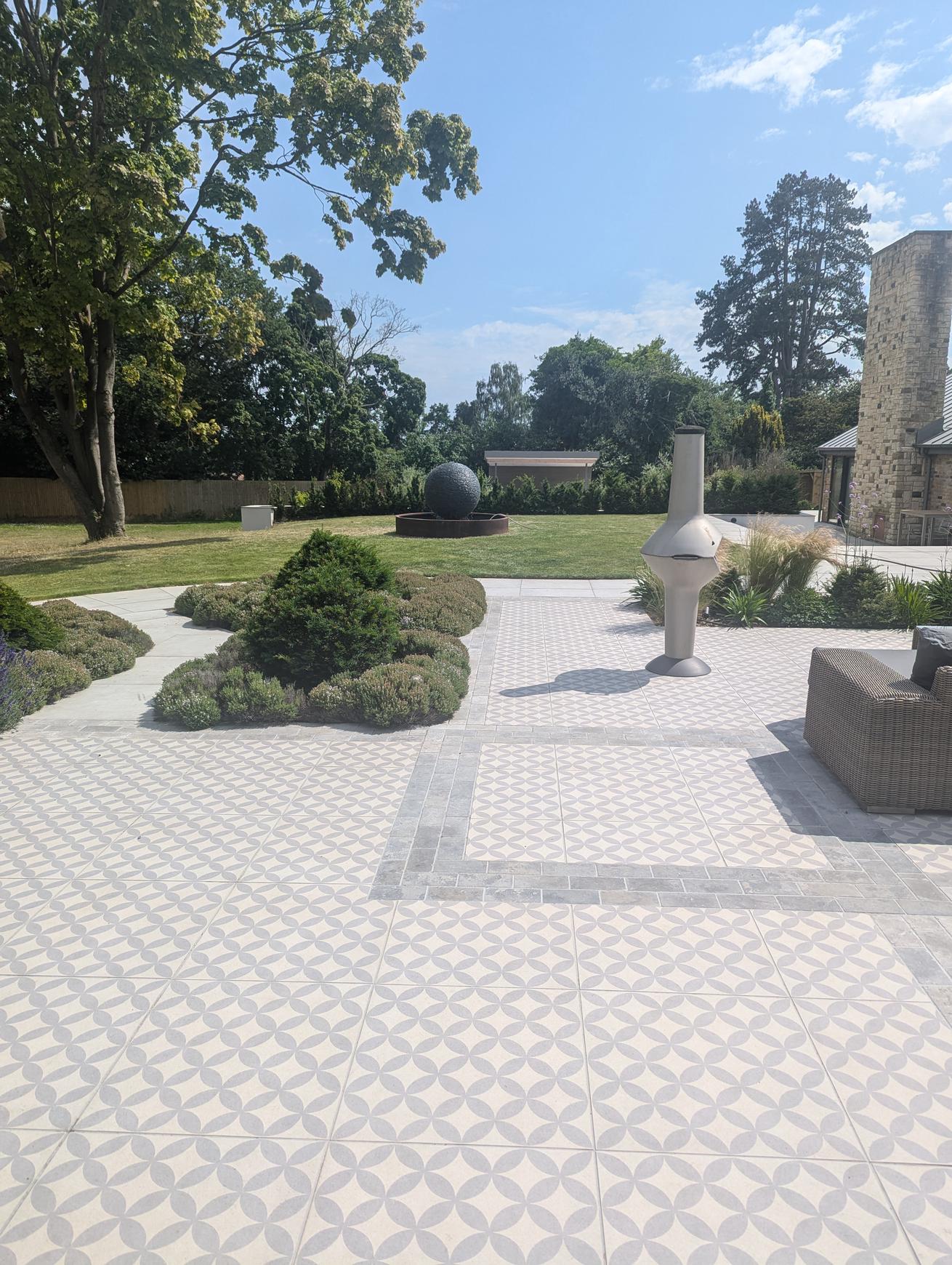
Get the positioning right, and it becomes a natural focal point that enhances the whole space. Get it wrong, and it can feel disconnected or simply go unnoticed.
Here’s how to position a water feature properly in your garden.
1. Start With How You Want the Garden to Feel
Before choosing a location, think about the role your water feature will play.
Do you want it to:
- Act as a calm focal point?
- Blend naturally into planting?
- Add movement and sound to a seating area?
Water has a unique ability to draw the eye and create atmosphere, so deciding its purpose first will guide the right placement.
2. Make It Visible (and Audible)
One of the biggest missed opportunities is placing a water feature somewhere you rarely experience.
Ideally, position it:
- Where you can see it from the house
- Near a seating or relaxation area
- Close enough to hear the sound of water
The sound is a huge part of the experience—whether it’s a gentle trickle or a flowing stream effect. If you can’t hear it from where you sit, it’s probably in the wrong place.
This is something we focus on heavily creating a natural, calming sound that enhances the space without overpowering it.
3. Use It as a Focal Point (But Be Intentional)
Water features work brilliantly as a centrepiece—but only if the scale and setting are right.
- In larger gardens → place it centrally or at the end of a view
- In smaller spaces → integrate it into planting or a patio area
A well-positioned feature can anchor the entire design, giving the garden structure and purpose.
4. Work With Your Surroundings
A water feature should feel like it belongs.
That means:
- Matching materials to your garden (stone, slate, gravel, etc.)
- Considering nearby elements like paving, walls, and planting
- Avoiding placements that feel forced or out of context
When materials and positioning align, the feature becomes part of the landscape rather than something added on.
5. Avoid Problem Areas
There are a few places that might seem convenient—but usually cause issues:
- Under trees → leaves clog pumps and affect water quality
- Uneven ground → affects water flow and performance
- Too far from power or access → makes installation harder
- Full sun all day → can increase algae growth
A bit of planning here saves a lot of maintenance later.
6. Think About Planting and Integration
Water features don’t always need to stand alone.
Placing them:
- Within borders
- Among soft planting
- Or alongside pathways
…can create a much more natural, immersive feel.
In more contemporary gardens, a clean, standalone feature can act as a calm focal point. In softer, more naturalistic schemes, blending it into planting often works best.
7. Plan It Properly From the Start
One of the biggest regrets people have is placing a water feature without fully thinking it through.
Unlike pots or furniture, they’re not always easy to move once installed—so it’s worth taking the time to get it right first time.
Final Thoughts
A well-positioned water feature doesn’t just look good—it changes how you experience your garden.
It draws you outside, creates a sense of calm, and adds a layer of movement and sound that brings the whole space to life.
We always encourage customers to think carefully about placement. The right feature in the right position can completely transform a garden—and help turn an outdoor space into something truly special.
Click here to discuss your project with Jeremy or Victoria. We are happy to help :-)